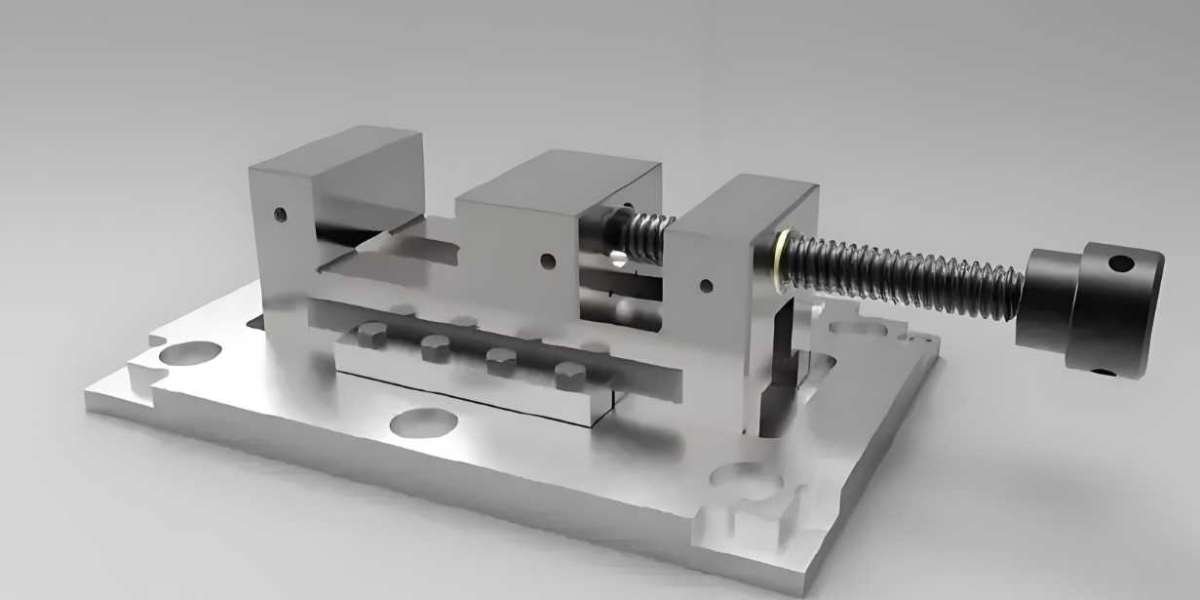
In the realm of modern manufacturing, precision, efficiency, and repeatability are paramount. CNC machining has revolutionized the way parts are manufactured, allowing for high-speed, accurate, and automated production of complex components. One of the most critical components in ensuring the success of CNC machining is the CNC fixture. This essential tool holds the workpiece in place during machining operations, ensuring its stability and proper alignment, which directly impacts the quality and speed of production. This article explores what CNC fixture are, their importance in machining, types, and key design considerations.
1. What is a CNC Fixture?
A CNC fixture is a specialized device used to hold a workpiece securely during machining operations. These fixtures are designed to ensure that the workpiece remains in a fixed position, preventing any movement or vibration during cutting, drilling, milling, or other processes. A properly designed fixture is crucial for ensuring the accuracy of the machining process, as even slight shifts in the workpiece can lead to errors and inconsistencies in the final product.
While CNC machines are designed to perform a wide variety of tasks, they rely on fixtures to hold parts in the correct orientation and position. The fixture acts as a stabilizing force, ensuring that the workpiece remains securely in place, even as high-speed cutting tools engage with the material.
2. Why CNC Fixtures are Important
CNC fixtures are essential for several reasons, contributing to the overall performance of the machining process. Their role extends beyond holding the workpiece, influencing the precision, consistency, and efficiency of production.
2.1. Precision and Accuracy
The primary purpose of a CNC fixture is to ensure that the workpiece is accurately positioned and aligned within the CNC machine. A fixture maintains the precise orientation of the part throughout the machining process, minimizing the chance of misalignment and ensuring that each cut, drill, or operation is executed according to the specifications. This is particularly important for industries such as aerospace and automotive, where precision is critical.
2.2. Speed and Efficiency
CNC fixtures help streamline the machining process by reducing setup times. Once a fixture is properly set up and calibrated, the workpiece can be quickly loaded into place without requiring constant adjustment. This leads to faster cycle times, increased throughput, and reduced machine downtime. Moreover, fixtures often allow for the simultaneous machining of multiple parts, further improving production efficiency.
2.3. Consistency and Repeatability
In high-volume manufacturing, consistency is key. CNC fixtures help ensure that each part is machined identically, even when the workpiece is changed. This repeatability is essential in industries that require large batches of identical components, ensuring that all parts meet the same exact specifications and tolerances.
2.4. Minimizing Errors and Damage
A CNC fixture holds the workpiece securely, preventing unintended movement that could lead to errors in the machining process. Additionally, fixtures are designed to hold the workpiece without causing damage, such as marks, scratches, or warping. This is especially important for delicate or expensive materials that require careful handling.
3. Types of CNC Fixtures
CNC fixtures come in a wide range of designs, each tailored to specific types of workpieces and machining processes. The right fixture can greatly improve the efficiency and precision of a particular operation. Below are some of the most common types of CNC fixtures:
3.1. Vices
A CNC vice is a simple yet highly effective fixture used to hold the workpiece securely in place during machining. Vices feature two jaws that clamp down on the workpiece, holding it firmly during operations like milling, drilling, and surface grinding. These fixtures are ideal for parts with flat or regular geometries and are easy to adjust to accommodate different workpiece sizes.
- Applications: Milling, drilling, surface grinding.
- Advantages: Versatile, quick setup, reliable for simple geometries.
3.2. Clamps
CNC clamps are used to secure workpieces that cannot be easily held by vices. These clamps can be used to apply pressure to parts with irregular shapes, helping to hold them firmly in place during machining. There are different types of clamps, including toggle clamps, vacuum clamps, and screw clamps, each offering varying levels of adjustability and grip.
- Applications: CNC turning, milling, drilling.
- Advantages: Flexible, ideal for irregularly shaped workpieces, quick changeovers.
3.3. Custom Fixtures
Custom CNC fixtures are designed for specific workpieces or specialized machining operations. These fixtures are often used when off-the-shelf vices or clamps cannot provide the necessary support or precision. Custom fixtures are tailored to the exact geometry of the workpiece, ensuring that the part is held in the ideal position for machining.
- Applications: Aerospace, medical devices, custom manufacturing.
- Advantages: Highly precise, tailored for complex or unique workpieces.
3.4. Pallet Fixtures
In high-volume production, pallet fixtures are used to hold multiple workpieces simultaneously. These fixtures are mounted onto pallets, which can be loaded onto the CNC machine for continuous operation. Palletized CNC systems enable operators to load multiple parts at once, reducing machine downtime and increasing production efficiency. Pallet fixtures are often used in automated environments where minimal operator intervention is required.
- Applications: High-volume manufacturing, automation.
- Advantages: Efficient for large production runs, reduced setup time.
3.5. Collet Fixtures
Collet fixtures use a collet—an expandable sleeve that holds the workpiece by gripping it radially. These fixtures are ideal for parts with round or cylindrical shapes. Collets are often used in CNC turning and rotary machining, where round parts need to be securely held for turning operations.
- Applications: CNC turning, rotary machining.
- Advantages: Precise clamping, ideal for cylindrical workpieces.
3.6. Magnetic Fixtures
Magnetic CNC fixtures rely on strong magnets to hold ferrous workpieces in place. These fixtures are particularly useful for operations where quick setup is needed. Magnetic fixtures eliminate the need for mechanical clamping, allowing parts to be easily positioned and held without the need for additional tools. They are often used in milling or grinding operations where flat workpieces need to be held firmly.
- Applications: Milling, surface grinding, drilling.
- Advantages: Fast setup, no mechanical clamping required, ideal for flat parts.
4. Materials Used for CNC Fixtures
The material of a CNC fixture is an important consideration, as it must be durable, stable, and able to withstand the forces and stresses encountered during machining. The material should also be compatible with the type of workpiece being held. Common materials used for CNC fixtures include:
4.1. Steel
Steel is the most commonly used material for CNC fixtures due to its strength and durability. It is capable of withstanding the high forces involved in machining and is ideal for heavy-duty applications. Steel fixtures are easy to machine and maintain and are suitable for most general-purpose CNC machining tasks.
4.2. Aluminum
Aluminum is a lighter alternative to steel and is used for fixtures that require less weight or those that will be used in high-speed machining. Aluminum is easier to machine than steel, making it an ideal choice for fixtures that need to be customized or modified frequently.
4.3. Cast Iron
Cast iron is known for its ability to absorb vibrations and maintain stability during machining. It is often used for fixtures that need to be highly rigid and precise. Cast iron fixtures are common in applications that require high stability, such as precision machining or heavy-duty operations.
4.4. Polymer Composites
In some cases, polymer composites may be used to create lightweight, durable fixtures. These materials offer good wear resistance and are often used in high-speed operations or where weight is a critical factor.
5. Key Considerations When Designing CNC Fixtures
Designing a CNC fixture requires careful planning and consideration of several factors to ensure it functions effectively. Key considerations include:
5.1. Workpiece Geometry
The fixture must be designed to accommodate the unique shape and features of the workpiece. Irregular or complex geometries may require custom fixtures with specialized supports, pins, or features.
5.2. Material Compatibility
The fixture material should be compatible with the workpiece material and the type of machining process. For instance, a fixture used for machining hard metals like titanium should be made of a durable, rigid material like hardened steel or cast iron.
5.3. Tool Access
The fixture must allow the CNC tool to access all areas of the workpiece that need to be machined. Proper clearance must be provided to ensure that the tool can move freely and accurately without interference from the fixture.
5.4. Ease of Setup
A well-designed fixture should allow for quick setup and changeovers. This can reduce downtime and increase overall productivity, especially in high-volume or automated operations.
6. Conclusion
CNC fixtures are essential tools in the world of precision machining. They are key to ensuring the stability, accuracy, and repeatability of machining operations. Whether using vices, clamps, custom fixtures, or advanced magnetic systems, choosing the right fixture for a given application can significantly impact the quality and efficiency of production. By understanding the different types of CNC fixtures and their benefits, manufacturers can optimize their machining processes and ensure the consistent production of high-quality parts. As CNC technology continues to evolve, the role of CNC fixtures will remain integral in shaping the future of manufacturing.